
Jiachu Daily Plastic Product
Cling Film,Fresh Bag,Aluminum Foil,Foil Containers,Stretch Wrap
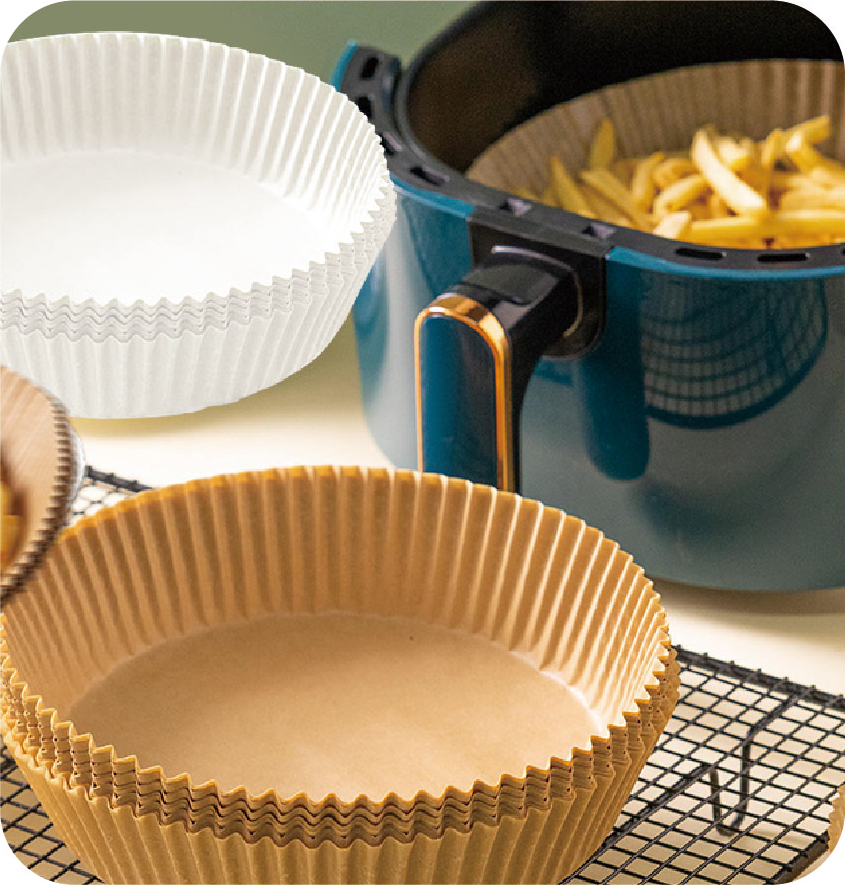
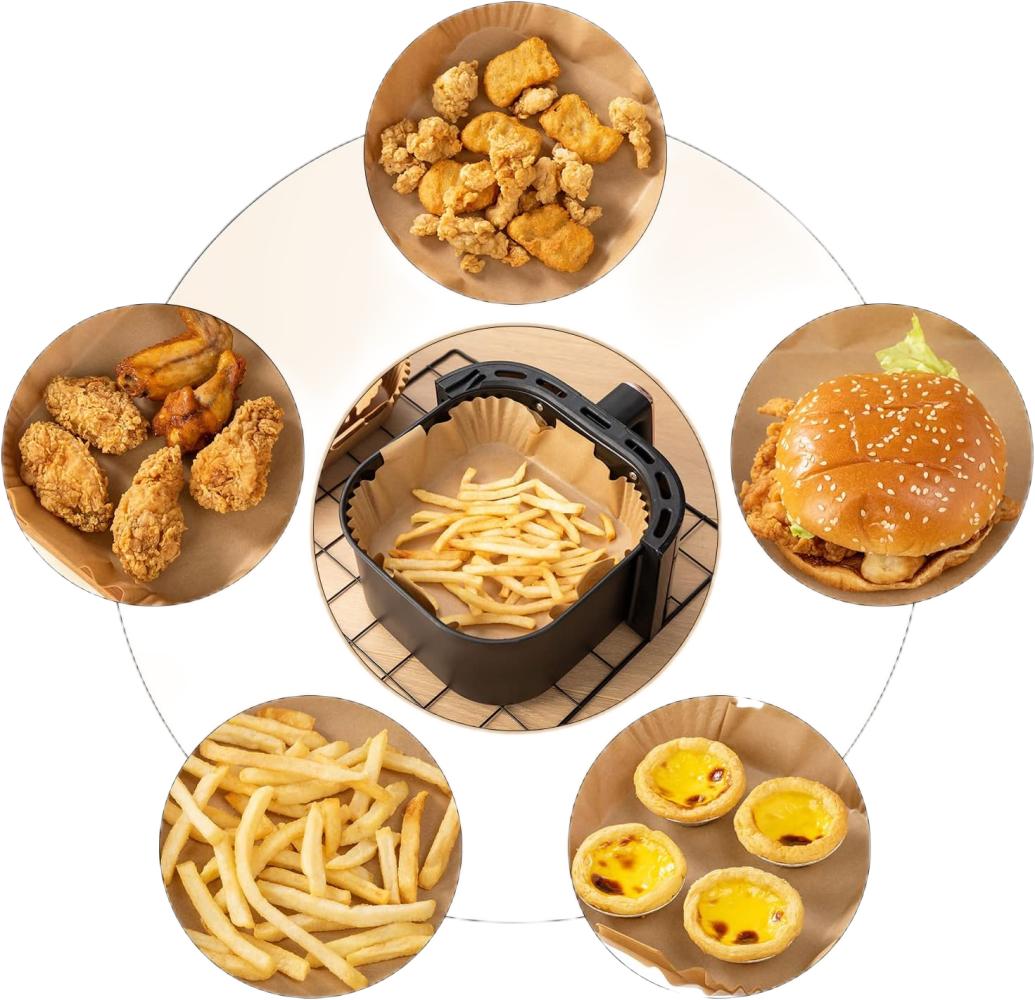
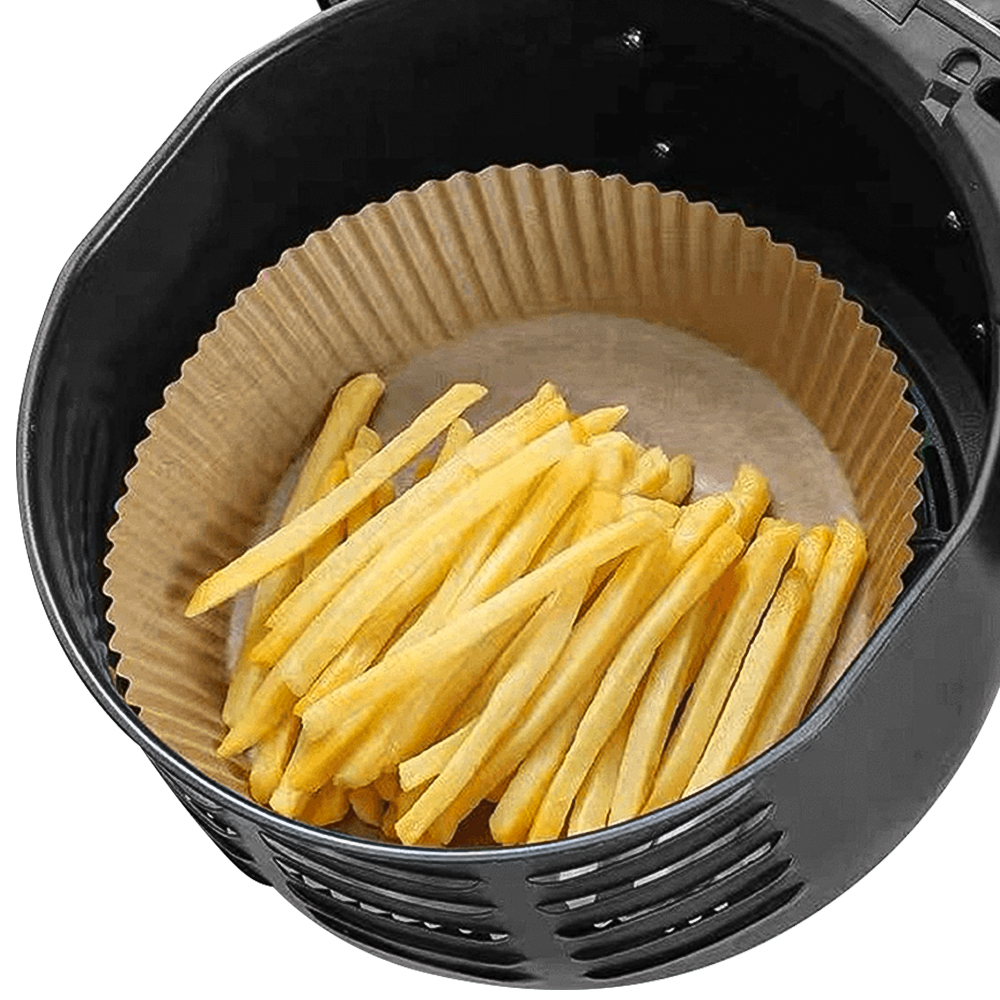
Is air fryer paper toxic when heated? Specialized air fryer paper is designed to withstand high-temperature cooking. As long as you choose this type of specialized paper, it will not produce toxic substances.
Secondly, is oil-absorbing paper for air fryers toxic? No, it's not. The oil-absorbing paper for air fryers is actually silicone paper, a common packaging material known for its high temperature resistance, moisture resistance, and oil resistance. It is primarily used for food packaging. Generally, food-grade oil-absorbing paper is safe. Proper food-grade silicone paper is coated with inorganic silicone release oil, which enhances stability, heat resistance, and safety. It does not produce toxic substances harmful to the human body. As all these materials are food-grade, they are safe to use even in high-temperature conditions.
Air fryer paper is typically made from food-grade paper or materials, aiming to provide thermal insulation and anti-stick properties during cooking in an air fryer. These papers usually comply with food safety standards and do not contain harmful substances.
Specifically, the characteristics of this paper may include:
High temperature resistance: Air fryer paper is usually designed to withstand high temperatures to ensure no harmful substances are produced during cooking.
Anti-stick properties: A crucial function of this paper is to prevent food from sticking to the air fryer, making cleaning easier.
Food-grade materials: Manufacturers typically choose materials that meet food-grade safety standards to ensure no toxic substances are released into the food.
Usage instructions: Product manuals often provide information on how to properly use and handle air fryer paper, including whether it can be used at high temperatures and whether it can directly contact food.
In summary, if you have air fryer paper, it's advisable to check the product manual for the manufacturer's recommendations and requirements. If you have any concerns or questions, it's recommended to directly contact the manufacturer or brand's customer service for the most accurate and detailed information.

2024-10 29
2024-10 24

2024-10 18
2024-03 12